
Woodland Ownership Made Easy
Forests. Carbon. Nature. Long-term value.
Druath acquires land and establishes native forests across Ireland, We also acquire established Sitka Plantations for transformation
combining ecological restoration with reliable income streams and long-term asset growth.

Why Invest With Us
Living Landscapes
At Druath, we invest in natural assets — with a deep focus on native woodlands, biodiversity, and ecological resilience. Our mission is to regenerate and protect the natural world while delivering long-term, sustainable returns.
We see woodlands not just as carbon sinks or timber sources, but as living systems — rich in life, cultural heritage, and future value. By restoring and managing forests the right way, we align economic growth with environmental responsibility.
Our Approach
Combines:
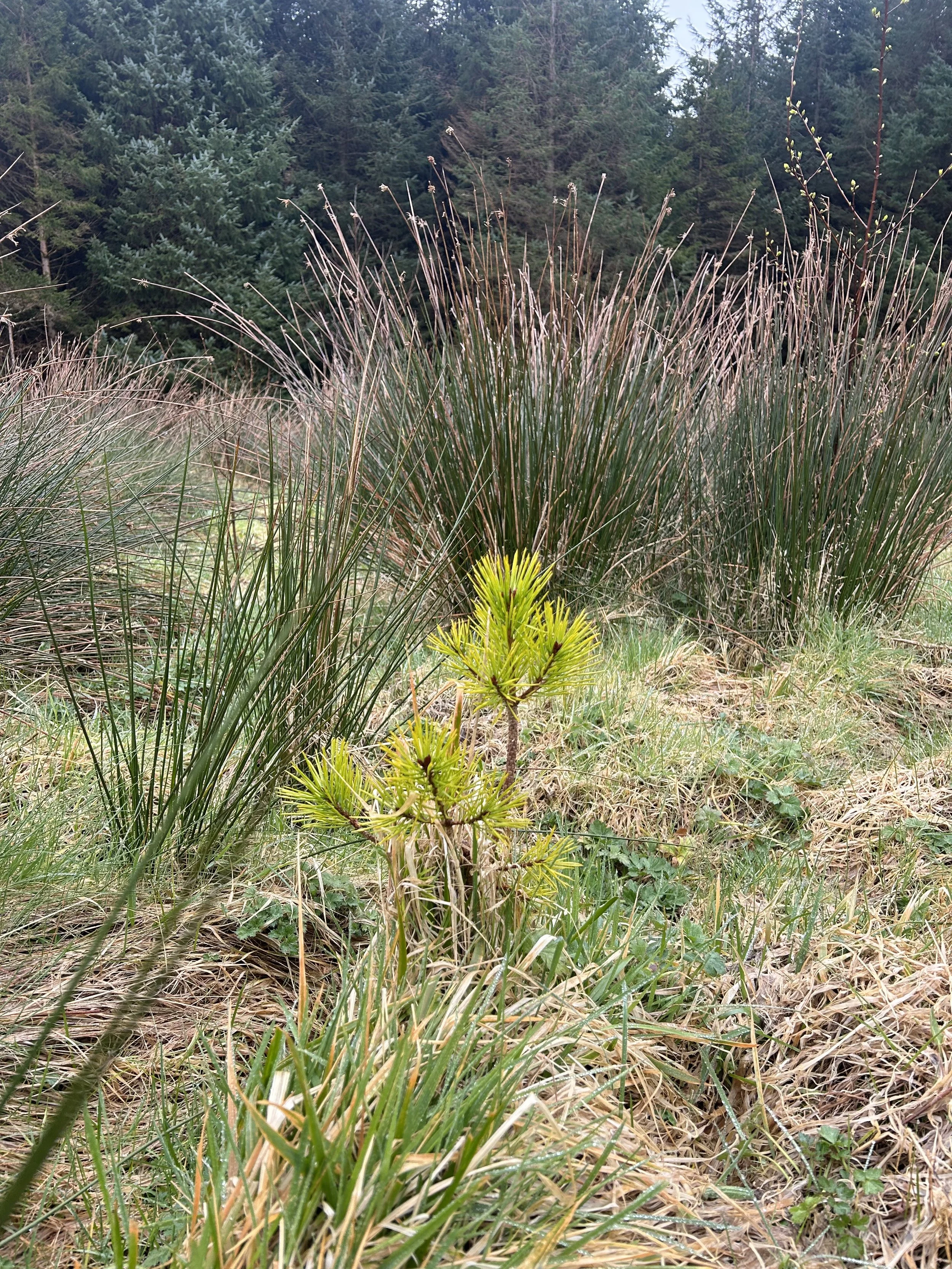
Native woodland creation and protection
Carbon sequestration and verified carbon credits
Biodiversity uplift and ecosystem restoration
Sustainable, regenerative land use models
Marketing of the assets
Use of the assets for company, personal outings.
Impact-Growth-Offset
Biodiversity Impact
Woodlands in Ireland play a vital role in supporting biodiversity by providing rich habitats for a wide range of plants, animals, fungi, and insects. These ecosystems help maintain healthy soils, support pollinators, and offer shelter and food for birds and mammals, contributing significantly to Ireland’s natural heritage and ecological balance.
Financial Growth
Many private forestry funds report typical returns of 5–8 % annually, with some structured investment schemes targeting 8 %+ compound growth . Meanwhile, rising demand for timber and carbon-sequestration credits has driven forest land prices up by 20–25 % recently, reflecting a competitive and thriving market
Carbon Offset
Carbon offsetting provides a growing source of income for woodland owners in Ireland, as businesses seek to reduce their carbon footprint by purchasing carbon credits. By planting and managing forests that absorb and store carbon dioxide, landowners can generate verified carbon units to sell on voluntary carbon markets.