The Trees In Our Forests
Our Trees
-
Oak Tree
The oak is a cornerstone of Ireland's native woodlands, revered for its strength and longevity. These majestic trees are not just symbols of endurance; they are a vital asset in a nature-based investment strategy.
As a keystone species, oaks support more biodiversity than any other native tree. Their broad canopies and extensive root systems provide habitats for countless species of insects, birds, and mammals, making them essential for a healthy and thriving forest ecosystem.
From a carbon perspective, the oak's slow and steady growth makes it an exceptional long-term carbon sink. Over its centuries-long lifespan, a single oak tree can sequester massive amounts of carbon, offering a significant and stable asset for carbon offsetting projects. Investing in oak woodlands is not just about planting a tree; it's about cultivating a rich, biodiverse ecosystem and a powerful, long-term solution for climate mitigation.

-
Alder
The alder is a remarkable and resilient tree, uniquely adapted to thrive in Ireland's wet, boggy conditions. Known for their ability to flourish near rivers and in damp soil, alders play a crucial role in maintaining the health and stability of wetland ecosystems.
This species is invaluable for biodiversity, providing a rich habitat for insects and supporting a complex web of life in areas where other trees cannot survive. Its roots help to stabilize riverbanks, preventing erosion and filtering water, which contributes to overall ecological health.
From a carbon perspective, alders grow relatively quickly, sequestering carbon efficiently in their biomass. Their unique ability to fix nitrogen in the soil through a symbiotic relationship with bacteria also enriches the land, benefiting surrounding flora and making them a key part of sustainable land management. Investing in alder woodlands is an investment in resilient, biodiverse wetlands and a natural solution for carbon capture
-
Scots Pine
The Scots Pine stands as a symbol of resilience and history, being one of Ireland's only native conifers. Its tall, straight trunk and distinctive orange bark make it a standout species. The tree’s evergreen needles provide year-round cover, making it a crucial component of healthy, diverse forests.
For biodiversity, the Scots Pine offers a specialized habitat that differs from broadleaf forests, supporting unique insect species and providing shelter for wildlife, especially during the harsh winter months. Its seeds are a vital food source for birds, contributing to a robust forest ecosystem.
As a carbon asset, the Scots Pine's rapid growth rate and long lifespan make it an efficient and enduring carbon sink. Its ability to thrive in a variety of challenging soil types, including poor, acidic ground, makes it a valuable species for afforestation projects aimed at sequestering carbon and restoring degraded landscapes. Investing in Scots Pine is an investment in evergreen resilience and a powerful, long-term climate solution

-
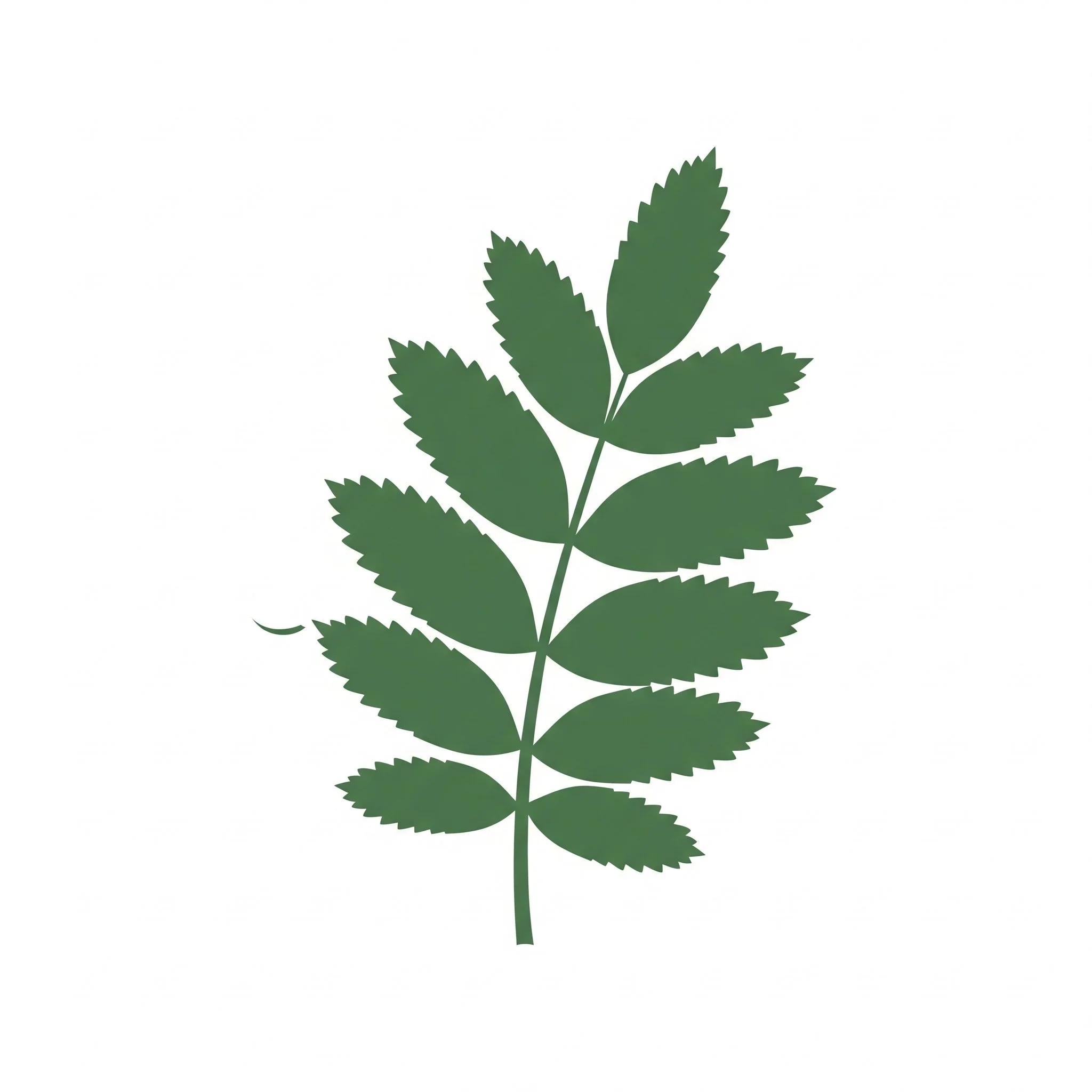
Rowan
The Rowan, often called the "mountain ash," is steeped in Irish folklore and renowned for its hardiness. This slender, graceful tree is instantly recognizable by its delicate compound leaves and vibrant red berries that light up the landscape in autumn. It's a true symbol of nature's beauty and resilience, thriving in harsh, exposed conditions where other trees cannot.
For biodiversity, the Rowan is a cornerstone species. Its berries provide a crucial food source for birds, such as the migratory thrush, who play a vital role in dispersing its seeds. The tree's flowers also attract a wide range of pollinators, making it an essential hub of activity in the early summer and a key contributor to a healthy ecosystem.
As a carbon asset, the Rowan's ability to grow quickly and establish itself in challenging environments makes it an effective species for rapid afforestation and ecosystem restoration projects. By planting Rowan, we not only capture carbon but also support a diverse range of wildlife and restore natural balance to the landscape. Investing in Rowan woodlands is an investment in both ecological and cultural richness.
-
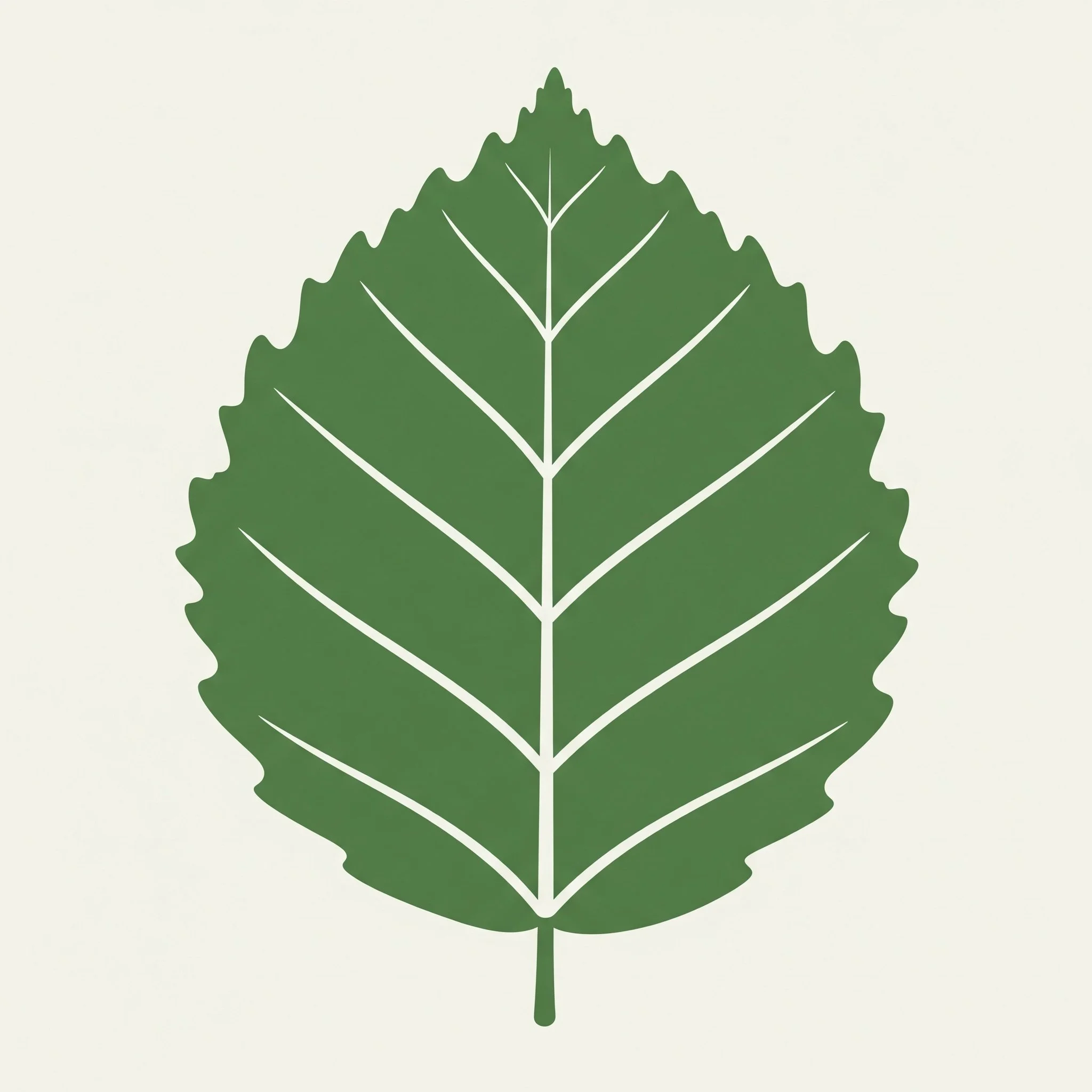
Birch
The birch tree is a beacon of light and resilience in the Irish landscape, instantly recognizable by its striking white, peeling bark and slender branches. This pioneer species is one of the first trees to colonize open ground, making it a crucial component of regenerating woodlands and a symbol of new beginnings.
For biodiversity, the birch is an incredibly valuable habitat. It supports a vast number of insect species, including many moths and butterflies, which in turn provide a food source for woodland birds. The tree's light canopy allows sunlight to reach the forest floor, encouraging the growth of a rich variety of ground flora, fungi, and grasses.
As a carbon asset, the birch's ability to grow quickly and establish itself in a range of challenging soil types makes it an excellent choice for afforestation projects. It efficiently sequesters carbon while also improving soil health and creating a hospitable environment for other tree species to follow. Investing in birch woodlands is an investment in resilient, regenerating ecosystems and a natural solution for building new forests.

-
Willow
The willow is a highly versatile and fast-growing tree, most often found thriving in Ireland's wetlands and alongside its rivers and lakes. With a rich history of use in crafts, such as basket weaving, this tree is a true symbol of adaptability and practical resourcefulness. Its pliable branches and ability to tolerate saturated soils make it a cornerstone of a healthy waterside environment.
For biodiversity, willow trees are an essential early food source for pollinators. Their catkins, which appear in early spring, provide vital pollen for bees and other insects emerging from hibernation. The tree's dense root systems and dense foliage also offer critical shelter and nesting sites for birds and small mammals, creating a vibrant ecological hub in wetland habitats.
From a carbon perspective, the willow's rapid growth rate allows it to quickly and effectively sequester carbon from the atmosphere. It is a key species in riparian planting schemes, where it not only captures carbon but also prevents soil erosion and helps filter water. Investing in willow is an investment in resilient, water-based ecosystems and a practical, fast-acting solution for both carbon capture and environmental health.

-
Holly
DescriThe holly tree is a truly unique part of Ireland's native woodlands, standing out as one of its few native evergreen species. Its glossy, dark green leaves and bright red berries are a familiar and welcome sight, especially during the winter months, offering a splash of color when other trees are bare. The holly’s slow-growing nature and ability to thrive in the understory make it a valuable long-term asset.
For biodiversity, the holly tree is a crucial resource. Its dense, spiky leaves provide excellent, year-round shelter and nesting sites for a variety of birds and small mammals. The bright berries, which persist well into the winter, are a vital food source for birds, and the tree's flowers are an important source of nectar for pollinators in early summer.
From a carbon perspective, while its growth rate is slower than other species, the holly’s evergreen leaves allow it to sequester carbon throughout the year. Its long lifespan means it represents a durable, lasting carbon sink. Investing in holly is an investment in the long-term resilience and winter vitality of the forest, providing a stable asset for both biodiversity and carbon portfolios.ption goes here

-
Hazel
The hazel tree is a cherished and versatile component of Ireland's native woodlands, best known for its abundant nuts and flexible wood. It often grows as a large shrub, forming the dense understory of broadleaf forests, and is a vital part of the landscape's ecological fabric. Its ability to coppice—or regrow from a stump—makes it a highly sustainable and renewable resource.
For biodiversity, the hazel is a powerhouse. Its nuts are a critical food source for squirrels and other mammals, while its early-blooming catkins provide essential pollen for bees at the start of spring. The dense structure of a hazel coppice offers excellent shelter for ground-nesting birds and other wildlife, enriching the forest's lower layers.
As a carbon asset, the hazel's rapid growth after coppicing allows for efficient carbon sequestration in a cyclical and sustainable manner. This process enables landowners to harvest the wood for traditional uses without felling the tree, keeping the carbon locked up and allowing for continuous growth. Investing in hazel woodlands is an investment in a highly sustainable, biodiverse, and renewable resource that supports both nature and tradition.

-
Wild Cherry
The wild cherry tree is a stunning native of Ireland's woodlands, celebrated for its spectacular display of white blossoms in spring and its rich, dark bark. As a medium-sized, fast-growing tree, it adds a layer of beauty and functionality to the forest canopy, often growing as a key component of mixed broadleaf woodlands. Its seasonal changes, from a burst of flowers to vibrant autumn foliage, are a testament to nature’s cycles.
For biodiversity, the wild cherry is an absolute magnet. Its abundant spring blossoms are a crucial early source of nectar and pollen for bees and other insects, helping to kick-start the pollination season. The small, dark cherries that ripen in summer are a vital food source for a wide variety of birds, whose consumption and dispersal of the seeds help to spread the species throughout the landscape.
As a carbon asset, the wild cherry's relatively fast growth rate and ability to thrive in good soil conditions make it an excellent choice for new afforestation and woodland creation projects. It not only contributes significantly to carbon sequestration but also enhances the aesthetic and ecological value of the forest. Investing in wild cherry woodlands is an investment in both seasonal beauty and a thriving, diverse ecosystem