
Carbon Credits Explained: A Plain-English Guide for Beginners (2025)
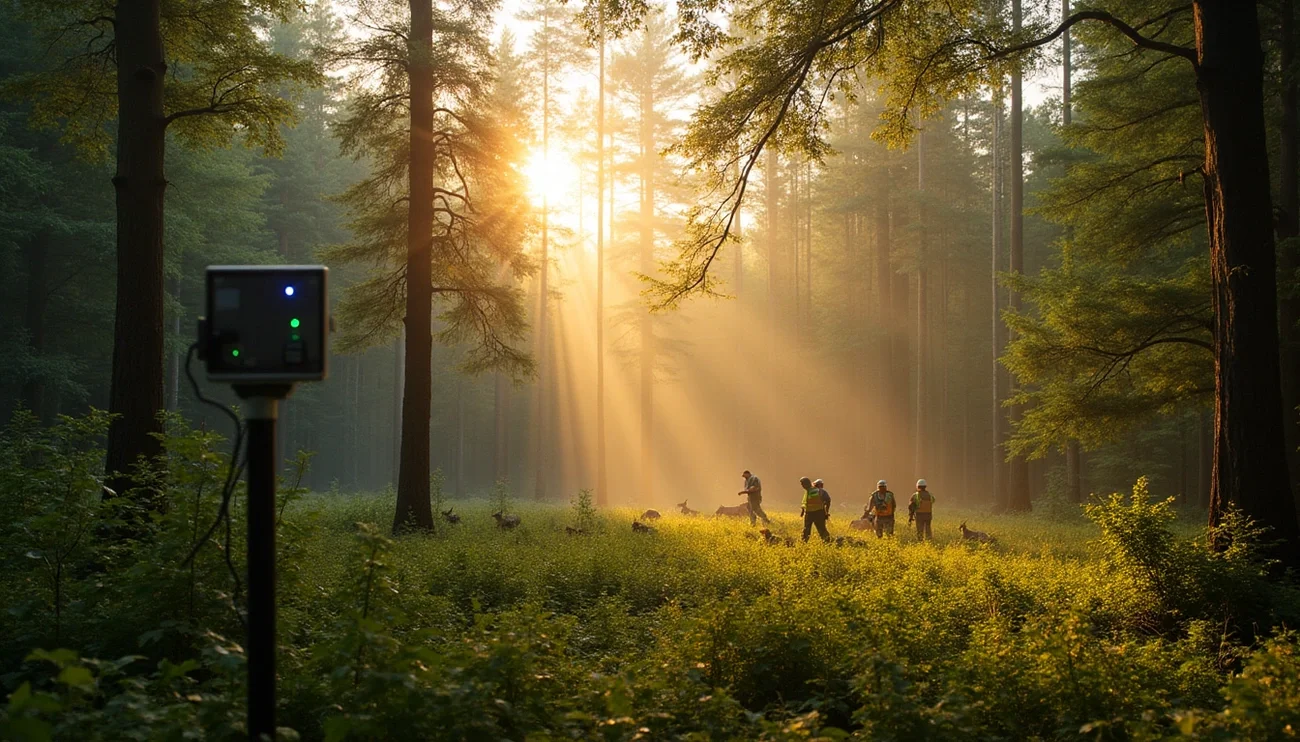
Carbon credits offer a practical way for communities, businesses, and individuals to take meaningful action against climate change. The voluntary carbon market has grown to approximately $2 billion — nearly four times its 2020 value. This growth shows how seriously organisations worldwide are taking their environmental responsibilities.
Today, over 2,000 companies across 70 countries and 50 industries have set emission reduction targets through the Science Based Target initiative, committing to net zero emissions by mid-century or earlier. One in five of the world's 2,000 largest publicly listed companies have made net-zero emissions commitments. Yet many people still wonder: what exactly are carbon credits, and how can ordinary citizens get involved?
Carbon credits work simply. Each credit represents one tonne of carbon dioxide that gets prevented from entering our atmosphere or removed from it entirely. These credits typically cost between $50 and $100 per metric tonne of CO₂e, with prices set by market demand. Experts predict the voluntary carbon market could reach $10-40 billion by 2030.
This guide breaks down everything you need to know about carbon credits. You'll discover how they function, how projects create and verify them, who participates in buying and selling, and what opportunities exist for contributing to climate solutions. Whether you're an individual wanting to reduce your carbon footprint or a business leader exploring sustainable practices, understanding carbon credits empowers you to make informed environmental choices.
What are carbon credits and how do they work?
Carbon credits function as tradable certificates that represent one tonne of carbon dioxide or equivalent greenhouse gases. Each credit serves as proof that emissions have been reduced, avoided, or removed from our atmosphere.
Definition of a carbon credit
Carbon credits create a system where organisations can compensate others for environmental improvements. Every credit equals one metric tonne of carbon dioxide equivalent (CO2e) that has been reduced, avoided, or removed from the atmosphere. Once purchased, credits are permanently retired to prevent reuse.
How carbon credits help reduce emissions
Carbon credit systems aim to decrease the total amount of greenhouse gases entering our atmosphere. They create financial incentives for businesses to reduce their environmental impact. Companies receive allocations that decrease over time, forcing them to either cut emissions or buy credits from organisations that have achieved reductions.
Carbon markets work by assigning a price to greenhouse gas emissions, motivating companies to find cleaner alternatives. The 2021 Emissions Gap Report shows that proper use of market mechanisms could reduce costs by 40-60% by 2030.
Voluntary vs compliance markets
Carbon markets operate through two distinct systems.
Compliance markets respond to government regulations and mandatory requirements. National, regional, or international bodies oversee these regulated markets. The compliance market reached approximately EUR 811.08 billion in 2021.
Voluntary markets operate independently without direct government control. Businesses, organisations, and individuals buy carbon credits here to offset emissions by choice rather than obligation. Though smaller at EUR 0.95 billion to EUR 1.91 billion in 2021, voluntary markets are expected to grow fifteen-fold by 2030.
How carbon credits are created and verified
Carbon credit creation follows strict environmental standards that protect both project integrity and community interests. Each step ensures genuine environmental benefits whilst supporting sustainable development goals.
Types of carbon projects: avoidance vs removal
Two main approaches drive carbon credit projects:
Carbon avoidance/reduction: Projects prevent emissions from reaching our atmosphere, like replacing coal plants with solar farms. These account for approximately 75% of all certified credits.
Carbon removal: Projects actively extract CO2 from the atmosphere through methods like reforestation or direct air capture technology. Currently, only about 3% of credits qualify as removals.
Durability matters significantly here. Nature-based solutions typically store carbon for less than 50 years, whilst engineered solutions can secure carbon storage for hundreds to thousands of years.
The role of methodologies and standards
Methodologies serve as blueprints that ensure projects deliver real environmental benefits. These documents establish:
Project boundaries
Baseline scenarios (what emissions would occur without the project)
Additionality requirements
Monitoring procedures
Each methodology undergoes public consultation and independent expert review to maintain environmental integrity. Engineered carbon removal starts from zero baseline since no previous removal occurred, whilst nature-based projects require more detailed baseline calculations.
Monitoring, reporting, and verification (MRV)
Three essential steps protect environmental credibility:
Monitoring: Project teams track emissions reductions or removals continuously
Reporting: Data gets compiled into standardised reports
Verification: Independent auditors validate all environmental claims
Verification includes document reviews, on-site audits, data analysis, and independent assessments. Reports then undergo additional review before environmental credits receive approval.
Certification bodies and registries
Established certification programmes maintain market standards:
Verra (formerly Verified Carbon Standard)
Gold Standard
Climate Action Reserve
American Carbon Registry
Once verified, projects join carbon registries that assign unique serial numbers to each credit. These registries maintain public records tracking ownership and retirement, preventing double-counting. Buffer pools of credits sometimes provide insurance against project failures.
Who buys and sells carbon credits?
Carbon credits bring together a vibrant community of environmental champions, each contributing their unique strengths to our shared climate goals.
Project developers and their role
Project developers stand at the heart of climate action, creating real-world solutions that benefit both our planet and local communities. They partner with landowners, indigenous groups, and local organisations to develop meaningful projects spanning forest protection, renewable energy installations, and ecosystem restoration. These dedicated professionals guide each project through every stage—from initial planning to final verification—working closely with certification bodies to ensure environmental integrity. Their efforts create lasting change: genuine emissions reductions paired with community benefits like wildlife habitat protection, sustainable employment, and economic opportunities for rural areas.
Corporate buyers and net-zero goals
Businesses worldwide are stepping up as climate leaders, with companies representing the largest group of carbon credit purchasers. More than one-third of the world's 2,000 largest publicly held companies have committed to net-zero targets, demonstrating genuine environmental responsibility. These organisations purchase credits to address their most challenging emissions—those difficult to eliminate through direct operational changes. Fossil fuel companies have used half of all identified offsets, while car manufacturers account for 28% of purchases. Some companies like Tesla have even generated approximately EUR 1.70 billion in 2022 from selling surplus carbon credits, showing how environmental leadership can create business value.
Retail traders and brokers
Brokers serve as essential connectors in our carbon community, linking project developers with organisations ready to invest in climate solutions. They help navigate the market by charging fair commissions or markup prices, particularly valuable when no centralised exchange exists. Retail traders also play a vital role, purchasing credits in larger quantities from developers and redistributing them to smaller buyers for reasonable commissions. Exchanges contribute by offering standardised contracts that boost market accessibility, though sometimes this means less detailed project information reaches buyers.
How to buy carbon credits as an individual
Everyone can participate in climate action through carbon credit purchases. The most direct approach connects you with project developers, though quantities for individual buyers may be limited. Online retailers make participation easier by offering smaller credit amounts with project descriptions, handling the retirement process for you. The United Nations Carbon Offset Platform showcases UNFCCC-certified projects where individuals can purchase Certified Emission Reductions directly from project developers, ensuring your contribution supports verified climate action.
Challenges and the future of carbon credits
The carbon credit market shows promise, yet faces real obstacles that our communities must address together. Greenwashing remains a serious concern, with investigations showing many corporate carbon neutrality claims cover less than 2% of their actual emissions. Even more concerning, over 70% of retired offsets were priced below €3.82 per tonne, indicating an oversupply of cheap, questionable credits.
Carbon credit prices continue to shift dramatically. Average costs dropped 14% since 2022 to €6.05 in 2024, though EU Carbon Permits climbed to 71.77 EUR in August 2025. Quality credits show more promise - experts expect them to reach €19.08/tonne by 2030 and potentially €227.10/tonne by 2050, building a market worth €1.05 trillion annually.
Technology offers hope for better market transparency. Blockchain creates permanent transaction records, while satellites and IoT devices track emissions in real time. Artificial intelligence spots data patterns, helping detect fraud early and improve trading decisions.
Ireland faces significant stakes in this transition. Missing 2030 greenhouse gas targets could cost between €8bn and €26bn in payments to other EU member states. Yet opportunity exists - the global carbon removal credit market could reach €95.42 billion annually between 2030-2035. Progress includes stronger international partnerships, broader sector participation, and smarter use of new technologies in environmental policies.
These challenges require our active participation. Communities, businesses, and individuals all have roles in demanding quality projects, supporting transparent markets, and choosing verified credits that deliver real environmental benefits.
Conclusion
Carbon credits represent more than just market instruments—they offer every person and organisation a direct path to environmental action. Communities worldwide are discovering that these simple certificates can drive real change, connecting local projects with global climate goals.
This guide has shown you the fundamentals: how credits work, where they come from, and who participates in their trade. You've learned about the careful verification processes that ensure each credit represents genuine environmental benefit. Most importantly, you now understand the various ways you can get involved, whether as an individual making personal choices or as part of a business pursuing sustainability goals.
The challenges ahead—quality concerns, price volatility, and market transparency—are driving positive changes. New technologies are making it easier to track and verify environmental impact, whilst growing awareness is pushing for higher standards across the industry.
Every carbon credit purchase sends a clear message: environmental responsibility matters. When you choose to offset emissions or support removal projects, you join a growing movement of people who believe individual actions can create collective impact. Local communities benefit from these projects through job creation and ecosystem protection, whilst the planet benefits from reduced atmospheric carbon.
The path forward requires all of us. Whether you start small with personal offsets or advocate for larger organisational commitments, your participation matters. Carbon credits provide the tools—the choice to use them rests with each of us.
Climate action begins with understanding. Now that you have the knowledge, you have the power to make a difference.