

Investing in Natural Capital in Ireland: What Are You Actually Owning?
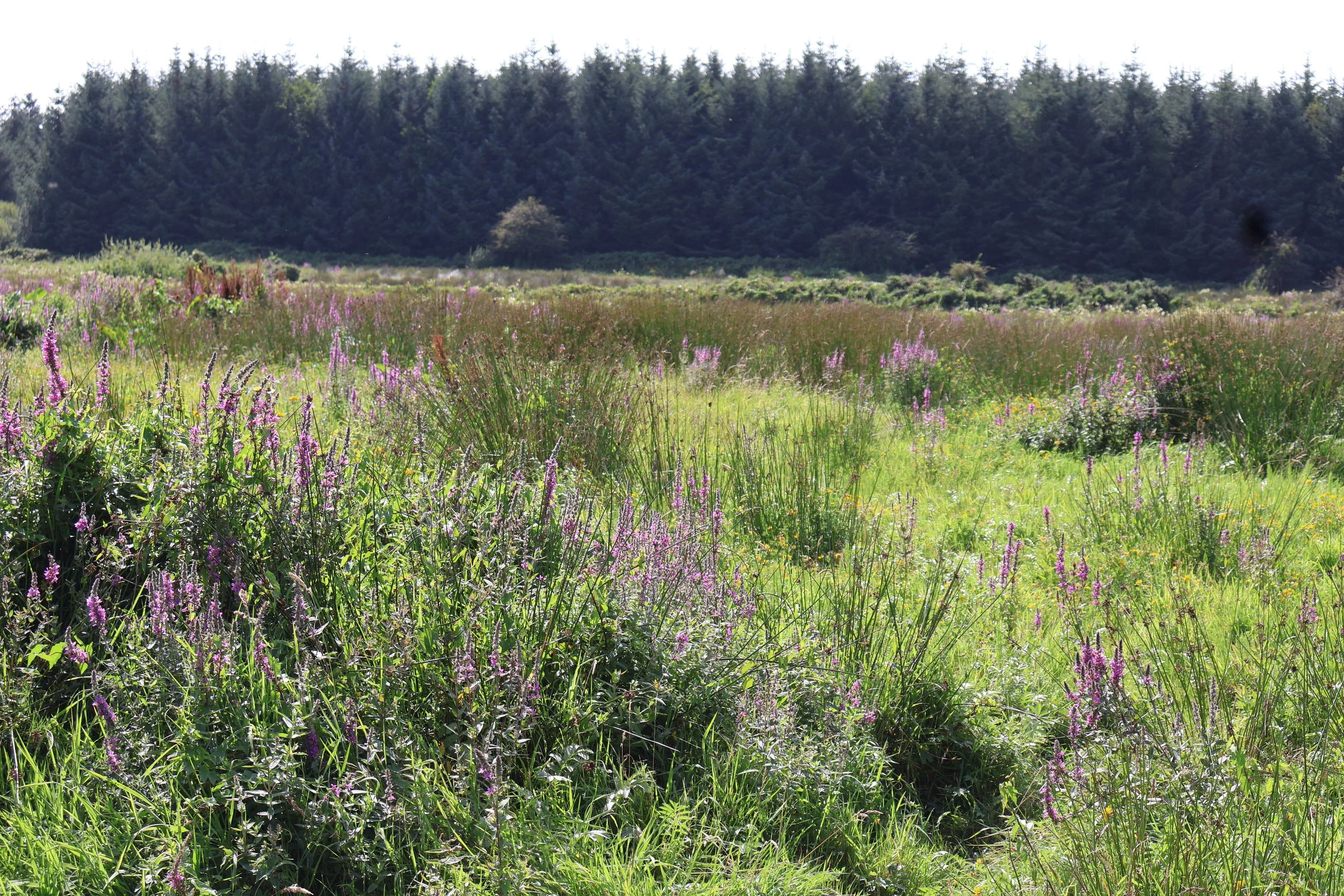
Our first woodland creation Site at Querrin County Clare
When you invest in nature, what are you actually investing in?
A piece of land? A growing woodland? The carbon stored in trees? Or shares in a company that acquires and manages those assets?
For anyone exploring natural capital investment in Ireland, these are important distinctions.
At Druath, we believe making nature investible starts with making ownership understandable. People should understand where their money goes, what they own and how their investment connects with the landscapes being restored.
What Is Natural Capital?
Natural capital describes the natural resources and living systems that support our lives and economy. It includes forests, soils, rivers, wetlands and wildlife.
A woodland illustrates the idea well. Alongside its trees, it contains soils, vegetation and habitats. Together, these can store carbon, support biodiversity and help protect water.
Some of that value can generate income. Other benefits remain difficult to price, despite their importance.
Investing in natural capital means considering both the underlying asset and the care needed to sustain it. For Druath, that begins with suitable land and a long-term plan for woodland creation, restoration and management.
What Do You Own When You Invest in a Woodland Company?
There are several ways to put money into nature, and each gives you something different.
RouteWhat you acquireBuying woodland directlyOwnership of the land, subject to its title, rights and obligationsBuying shares in a woodland companyShares in the business that owns or manages the woodland assetsSponsoring trees or restorationThe participation and benefits described in the sponsorship agreementPurchasing carbon creditsThe environmental units specified by the relevant standard and purchase agreement
For a shareholder investment in Druath, the distinction is straightforward: you own shares in the company; the company owns its assets.
Your shareholding does not automatically give you personal title to a particular field, a designated group of trees or individual carbon credits.
Your rights depend on the share class, company documents and investment agreement. These should explain matters such as voting, distributions and transferring or selling shares.
That clarity gives investors a better foundation for assessing the opportunity.
What Sits Behind a Woodland Investment?
A woodland business needs more than land and trees. It needs a workable plan for acquiring, developing and managing its assets.
Before investing, it is useful to understand:
Which assets the company currently owns.
Which acquisitions are proposed.
How new investment would be used.
What development and management work each site requires.
Which income sources are established and which remain projections.
What costs, borrowing and other obligations the business carries.
An existing woodland, a newly planted site and land awaiting planting approval are at different stages. Their costs, risks and potential income will differ.
Understanding those differences matters more than an attractive photograph or a headline valuation.
How Can Woodland Create Financial Value?
Woodland investment can involve several potential sources of value, depending on the site and its management.
These may include eligible forestry payments, appropriate forestry activities, commercial partnerships and changes in the value of the underlying assets.
However, company revenue and shareholder returns are different things.
Income received by the company may need to cover establishment costs, maintenance, professional fees, insurance, financing and future investment. Whether money is distributed to shareholders depends on the company’s financial position and the terms of the investment.
Likewise, an increase in an asset’s estimated value does not necessarily produce cash that can immediately be paid out.
Our article on how Irish woodland assets may generate financial returns explores the potential sources of value in more detail.
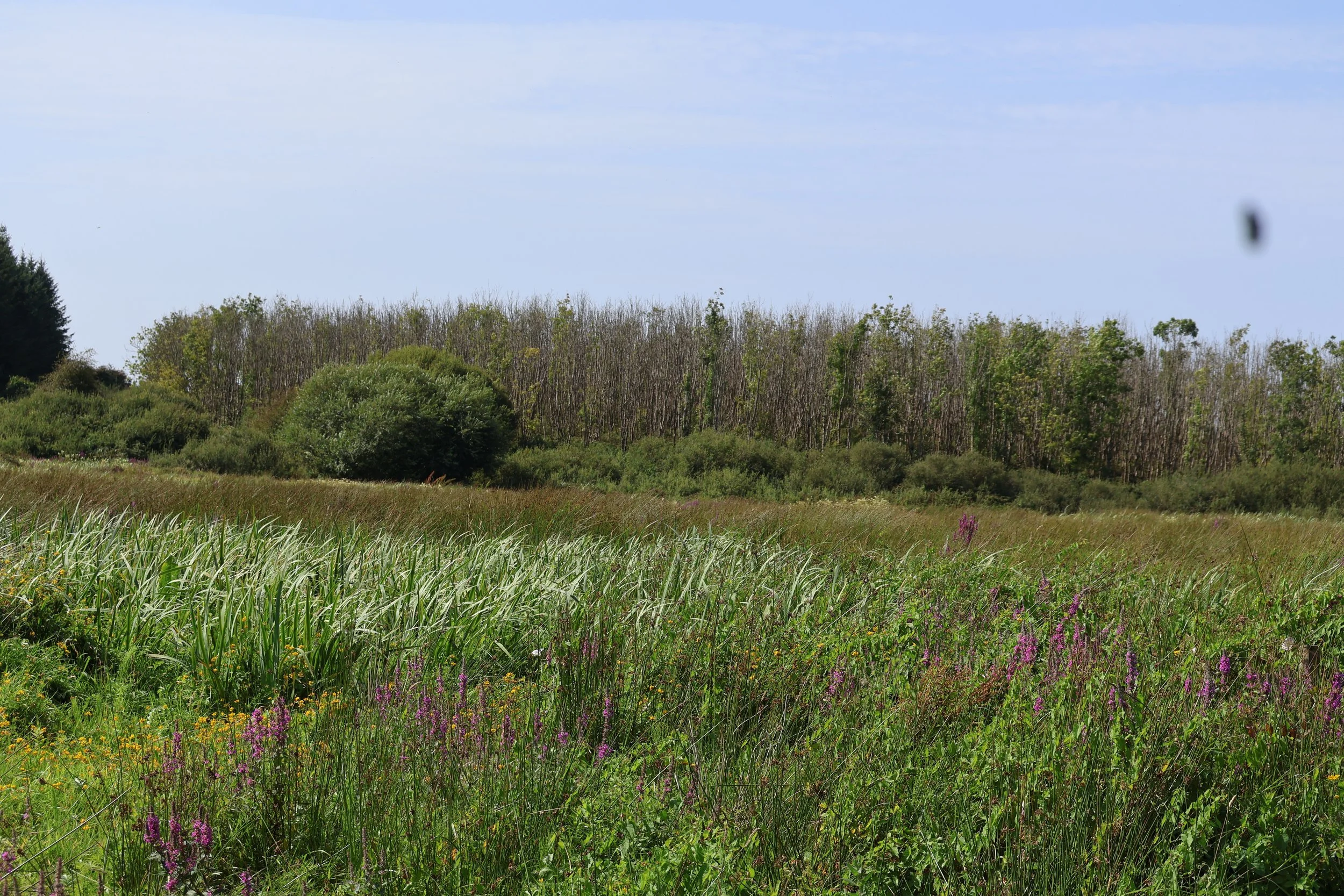
Querrin - Druath One
Where Do Carbon Credits Fit?
At Druath, we believe credible carbon markets can help direct funding towards nature restoration.
Giving a financial value to verified climate outcomes could help support the creation and long-term care of woodlands. But growing trees, measuring carbon and selling carbon credits are separate steps.
A carbon measurement alone does not establish that saleable credits exist. A credible project must meet the requirements of its chosen standard, including rules on eligibility, additionality, monitoring, verification and avoiding double counting.
Investors should therefore ask:
Are credits already issued, is a project working towards verification, or is carbon revenue a future possibility?
Those descriptions should never be treated as interchangeable.
Buying shares in a woodland company also does not automatically give the shareholder carbon credits or the right to offset their own emissions.
Biodiversity Matters Beyond Carbon
Carbon is one part of a woodland’s story.
The mix of species, condition of the soil, quality of habitats and connections with the surrounding landscape all matter.
A woodland can deliver environmental benefits without those benefits generating a separate income stream. Recognising that distinction helps keep both the ecological story and the financial model credible.
Our ambition is to develop natural assets whose management reflects the whole landscape, with financial planning that clearly identifies what can currently earn revenue and what remains a future opportunity.
You can read more about the thinking behind Druath on our About Us page.
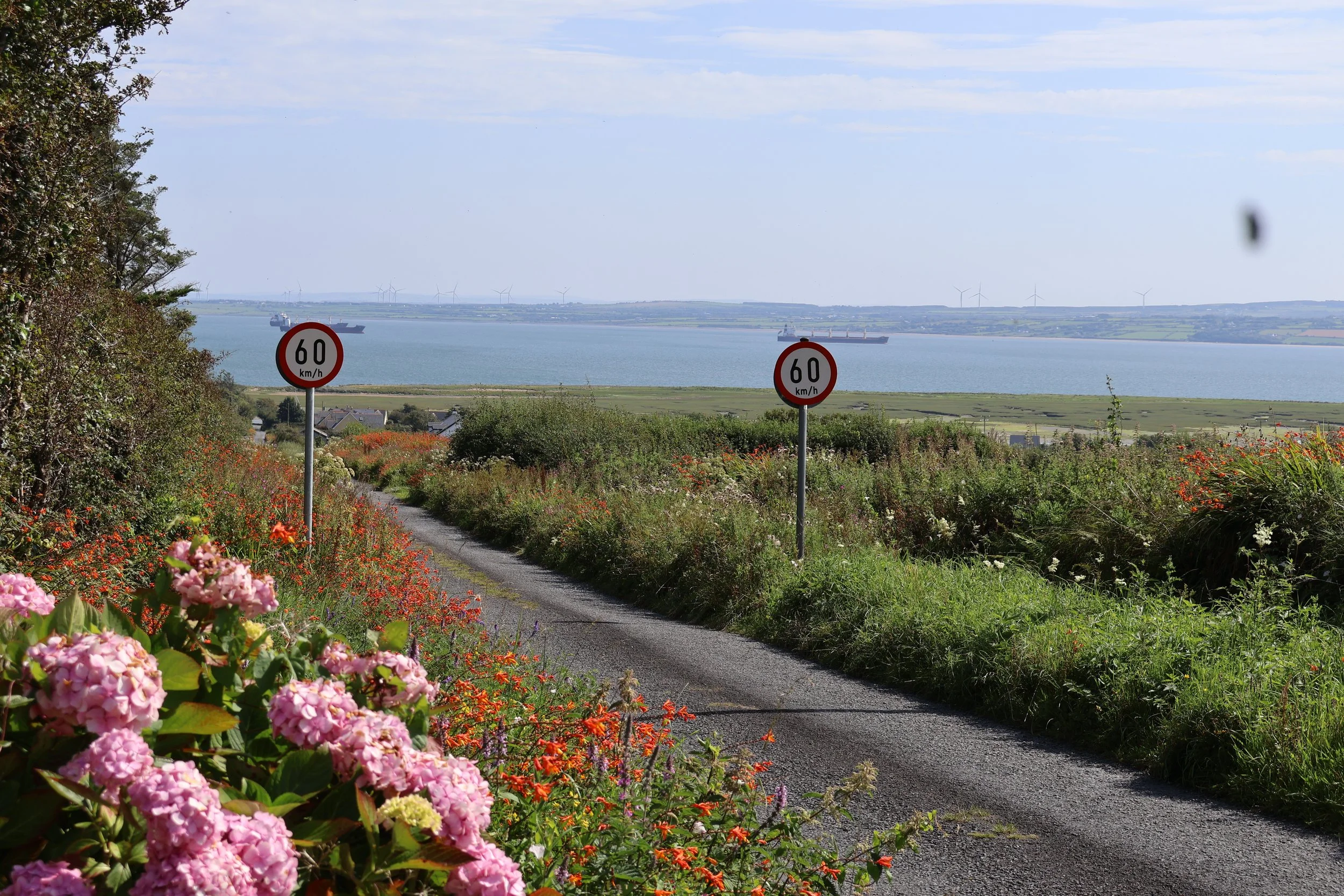
The Shannon Estuary At Querrin
What Should You Ask Before Investing?
A worthwhile conversation about natural capital investment should welcome practical questions.
How is the company valued?
Ask how land, woodland, liabilities and development costs are reflected in the valuation. Understand the difference between the value of the company’s assets and the price being paid for its shares.
What fees and costs apply?
Acquisition, management, administration and professional costs should be explained clearly, including payments to directors or connected businesses.
How will progress be reported?
Investors should understand how they will receive financial updates and evidence of work on the ground. Environmental reporting should distinguish measured results from forecasts and ambitions.
How could you exit?
Private company shares may be difficult to sell. Ask about transfer restrictions, potential buyers and any proposed exit arrangements. An exit should not be assumed unless a binding mechanism provides one.
What could go wrong?
Storms, disease, establishment failures, unexpected costs, policy changes and weaker market demand can affect woodland businesses. Owning tangible assets does not guarantee that an investment will retain its value.
Druath’s Approach: Understand the Asset, Understand the Ownership
Our vision is to connect long-term capital with the creation and stewardship of Irish woodland.
That requires suitable land, careful management and a clear explanation of how the business works.
For prospective investors, the starting point should be understanding the company, its assets, its obligations and the rights attached to their investment.
For us, that understanding is part of responsible stewardship. The people supporting the business deserve clarity, just as the landscapes deserve long-term care.
Explore Natural Capital Investment With Druath
If you are interested in woodland investment in Ireland, we invite you to learn more about Druath’s approach and ask questions about the ownership structure, assets and plans for the business.
Request the Druath investor information pack or contact our team.
Druath. Scaling Natural Assets.
This article provides general information and does not constitute an investment offer or financial, legal or tax advice. Investment in private companies involves risk, including loss of capital. Shares may be illiquid, and income, asset appreciation and environmental revenues are not guaranteed. Any investment is subject to its formal documentation.